Elegant Floral Patterns Seamless: Elevating Your Design Projects with Artistic Precision
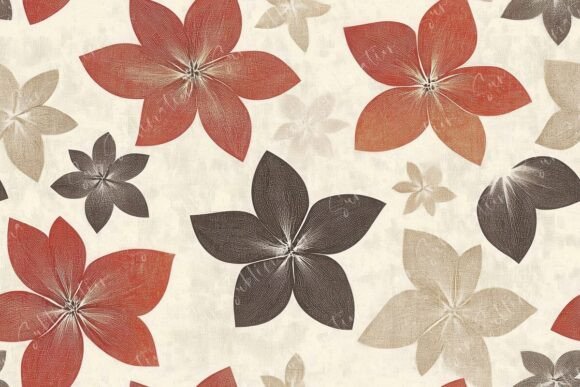
In the competitive landscape of digital and print design, visual impact is everything. Whether you are a seasoned graphic designer crafting a brand identity or a small business owner creating packaging for handmade goods, the quality of your background assets can make or break the final presentation. This is where Elegant Floral Patterns Seamless becomes an indispensable tool. It is not merely a decorative image; it is a foundational element that adds depth, texture, and artistic flair to any project. By offering a seamless loop with warm colors and unique textures, this asset allows creators to build immersive environments without visible seams or awkward interruptions.
The appeal of floral patterns lies in their universal recognition and emotional resonance. Flowers evoke feelings of growth, beauty, and nature, making them versatile across various industries—from fashion and textiles to wedding invitations and blog headers. However, finding a pattern that is truly "seamless," high-resolution, and aesthetically pleasing can be challenging. Many users settle for low-quality downloads that pixelate upon scaling or fail to tile correctly, leading to frustrating editing sessions and compromised professional results. Understanding how to evaluate and utilize high-quality seamless patterns like the one described here ensures that your work remains polished and professional.
Understanding the Technical Specifications
Before diving into creative applications, it is crucial to understand what makes a digital asset viable for both screen and print media. The specific pattern in question boasts a size of 4500 x 3000 pixels at a resolution of 300 dpi. These numbers are not arbitrary; they represent a significant amount of data that translates to clarity and detail. For context, a standard web image might be 72 dpi, which looks fine on a monitor but appears blurry and jagged when printed. By providing 300 dpi, this asset is ready for high-quality printing, whether you are producing fabric swatches, greeting cards, or large-format banners.
The format is provided as a JPEG, which is widely compatible with almost all design software, including Adobe Photoshop, Illustrator, Canva, and Affinity Suite. JPEGs are efficient for storing photographic details and complex color gradients, such as the warm tones and unique textures mentioned in the product description. Unlike PNGs, which are better for transparency, JPEGs are ideal for solid backgrounds where you want the pattern to fill the entire canvas without worrying about alpha channels. Furthermore, the file is delivered as a zipped file after purchase, ensuring that the original quality is preserved during download and transfer.
Common Pitfalls in Using Digital Patterns
Even with a high-quality asset, mistakes can occur during the implementation phase. One of the most common errors beginners make is ignoring the aspect ratio of their project relative to the pattern's dimensions. While 4500 x 3000 pixels is substantial, tiling it incorrectly can result in stretched or distorted visuals. Always ensure that your design canvas maintains proportions that allow the pattern to repeat naturally. If you are using software like Photoshop, use the "Pattern Overlay" layer style rather than simply pasting the image and stretching it. This method ensures that the seamlessness is mathematically calculated by the software, preventing visible lines where the pattern repeats.
Another frequent misunderstanding involves color accuracy. As noted in the product details, colors viewed on the screen will vary from the actual colors on the printed product. This is due to the fundamental difference between RGB (Red, Green, Blue) color models used by monitors and CMYK (Cyan, Magenta, Yellow, Key/Black) models used by printers. Monitors emit light, resulting in brighter, more vibrant hues, while printers reflect light off ink and paper, often resulting in slightly muted tones. If you are designing for print, always request a proof or use a soft-proofing feature in your design software to simulate how the warm colors of the floral pattern will translate to physical media. Failing to account for this shift can lead to dissatisfaction if the final printed item looks darker or duller than expected on your screen.
Maximizing Versatility Across Industries
The versatility of Elegant Floral Patterns Seamless extends far beyond simple backgrounds. Here are several practical ways to leverage this asset:
- Fashion and Textile Design: Use the pattern as a base for fabric prints. The warm colors and unique textures can add a luxurious feel to scarves, dresses, or home decor items like throw pillows.
- Packaging Design: Small business owners selling cosmetics, chocolates, or artisanal goods can use this pattern for box interiors or wrapping paper. The seamless nature ensures that no matter how the box is folded, the pattern aligns perfectly.
- Digital Marketing: Bloggers and marketers can use the pattern as a header background or within social media post templates. The high resolution ensures that even when cropped for mobile views, the details remain crisp.
- Invitation and Stationery: For weddings or formal events, this artistic floral design provides an elegant backdrop for text overlays, creating a cohesive and sophisticated look.
Best Practices for Implementation
To get the most out of your purchase, follow these practical steps. First, unzip the file immediately after download to avoid potential corruption issues with compressed archives over time. Open the JPEG in your preferred design program and check the image properties to confirm the 4500 x 3000 pixel dimensions. If you are working on a very large print job, consider duplicating the pattern layer to ensure there is enough coverage without relying solely on the software’s tiling engine, which can sometimes introduce minor artifacts at extreme scales.
When applying the pattern, experiment with blending modes. In Photoshop, changing the layer blend mode to "Multiply," "Overlay," or "Soft Light" can integrate the floral texture with underlying elements, creating a more organic and less flat appearance. This technique is particularly effective when adding text; placing white text over the pattern with a slight drop shadow can improve readability while maintaining the artistic integrity of the design.
What to Check Before Finalizing Your Project
Before publishing or sending files to print, perform a final quality check. Zoom in to 100% or higher to inspect the edges of the pattern tiles. Are there any visible seams? Is the color transition smooth? If you notice any inconsistencies, adjust the position of the pattern layer or use the clone stamp tool to repair minor imperfections. Additionally, verify that the file size is manageable for your intended platform. While 300 dpi is excellent for print, it may create large file sizes for web use. For online delivery, consider saving a copy at 72 dpi to reduce load times without sacrificing too much visual quality on modern high-definition screens.
Remember that this is a digital product. There is no physical shipment involved, so immediate access is key to maintaining your workflow momentum. Once the purchase is completed, you will receive the zipped file directly, allowing you to start designing instantly. Take advantage of this convenience by organizing your downloaded assets into a dedicated folder structure, labeling them clearly so you can easily retrieve them for future projects. By approaching Elegant Floral Patterns Seamless with an understanding of its technical strengths and potential limitations, you can transform ordinary designs into extraordinary works of art that resonate with your audience.