Unleashing Creativity: The Power of Playful Animal Patterns in Modern Design
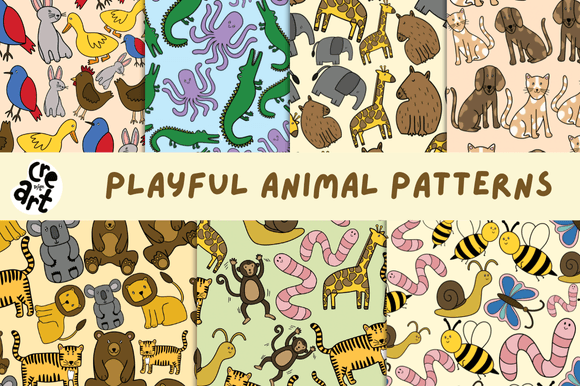
In the ever-evolving landscape of visual communication, few elements capture attention and evoke emotion as effectively as playful animal patterns. These designs do more than simply decorate a surface; they inject personality, warmth, and a sense of whimsy into every project they touch. Whether you are a seasoned graphic designer looking to refresh your portfolio, a small business owner aiming to create memorable branding, or a hobbyist crafting unique home decor, incorporating these vibrant motifs can transform ordinary items into extraordinary experiences. This article explores the multifaceted world of playful animal patterns, detailing their practical applications, technical specifications, and the creative potential they hold for diverse audiences.
The Allure of Whimsical Design
At its core, design is about connection. Humans have an innate affinity for animals, a trait rooted in our evolutionary history and cultural storytelling. When designers translate this affection into playful animal patterns, they tap into a universal language of joy and comfort. Unlike abstract geometric shapes that may require interpretation, the image of a curious cat or a joyful dog requires no explanation. It immediately signals friendliness, approachability, and fun.
This emotional resonance makes such patterns particularly effective in sectors where trust and engagement are paramount. For instance, in children’s apparel, these designs provide a visual delight that appeals directly to young imaginations. In corporate settings, however subtle the application, a hint of playful imagery can humanize a brand, making it appear more relatable and less rigid. The key lies in the execution: high-quality, well-composed patterns that balance cuteness with professional polish.
Technical Specifications for Professional Use
For professionals working across both digital and physical mediums, the technical quality of a design asset is non-negotiable. A pattern that looks charming on a low-resolution screen may appear pixelated and unprofessional when printed on a large-scale banner or textile. Therefore, understanding the technical backbone of these assets is crucial for achieving optimal results.
- Resolution and Clarity: Premium digital patterns typically offer a resolution of 300 DPI (dots per inch). This standard ensures that every detail remains crisp and clear, whether the design is scaled up for a wall mural or used for a detailed embroidery print.
- Dimensions and Scalability: High-resolution files often come in substantial dimensions, such as 5000 x 5500 pixels. To put this in perspective, at 300 DPI, this equates to approximately 16.67 x 18.33 inches or 42.42 x 46.48 cm. This size provides ample room for seamless tiling without visible artifacts, ensuring a continuous flow of design across any medium.
- Color Modes for Versatility: One of the most significant advantages of comprehensive design packs is the inclusion of multiple color modes. Assets provided in both RGB (Red, Green, Blue) and CMYK (Cyan, Magenta, Yellow, Key/Black) formats cater to different production needs. RGB is essential for digital displays, websites, and social media graphics, while CMYK is the industry standard for high-quality physical printing, ensuring color accuracy from screen to paper.
- File Formats: Access to both JPG and PNG formats offers flexibility. PNG files are ideal for digital projects requiring transparency or lossless compression, preserving the integrity of sharp lines and solid colors. JPG files are widely compatible and efficient for general use, particularly in print workflows where file size management is important.
Diverse Applications Across Industries
The versatility of playful animal patterns extends far beyond simple decoration. Their adaptability allows them to serve specific functional and aesthetic roles across various industries. Below are several key areas where these designs excel.
Fashion and Textile Design
In the realm of fashion, fabric prints are a primary canvas for creativity. Brands specializing in loungewear, pajamas, and children's clothing frequently utilize adorable animal motifs to create cozy, inviting aesthetics. The seamless nature of these patterns allows for efficient cutting and sewing, minimizing waste while maximizing visual impact. From bold, all-over prints to subtle accent trims, these designs add a layer of personality to garments that stand out in a crowded marketplace.
Home Decor and Homeware
Interior design is increasingly embracing personalized touches, and playful patterns offer a way to infuse spaces with character without overwhelming the senses. These designs are perfect for:
- Wall Art: Large-format prints featuring cats and dogs can serve as focal points in nurseries, playrooms, or modern living spaces.
- Bedding and Textiles: Sheets, duvet covers, and throw pillows adorned with whimsical animals create a welcoming atmosphere for guests and family members alike.
- Stationery and Paper Goods: Notebooks, planners, and greeting cards benefit from the cheerful energy these patterns bring, making everyday tasks feel slightly more delightful.
Print on Demand and Merchandising
The rise of the creator economy has fueled demand for unique merchandise. Artists and entrepreneurs using Print on Demand (POD) platforms rely heavily on high-quality, commercially viable patterns. Playful animal patterns are particularly popular for:
- Apparel: T-shirts, hoodies, and tote bags featuring cute canine or feline designs appeal to pet lovers who want to express their identity through fashion.
- Accessories: Phone cases, laptop skins, and mugs are small-surface items where a repeating pattern can create a striking visual effect without requiring complex layout adjustments.
- Custom Gifts: Personalized items featuring specific breeds or styles of pets resonate deeply with consumers, offering a tangible connection to their beloved companions.
Digital Branding and Web Design
In the digital space, user experience is enhanced by visually engaging elements. Websites for pet care services, veterinary clinics, or animal shelters can use these patterns in headers, backgrounds, or call-to-action buttons to reinforce their brand identity. Social media banners and post templates benefit from the consistent visual theme that a cohesive pattern provides, helping brands maintain recognition across platforms.
Considerations for Implementation
While the benefits of using playful animal patterns are numerous, successful implementation requires thoughtful consideration. Designers must ensure that the chosen pattern aligns with the overall brand voice. A luxury brand might opt for minimalist, stylized line drawings of animals, whereas a children’s toy company might prefer colorful, cartoonish illustrations.
Furthermore, scalability is a critical factor. A pattern that works beautifully at a small scale on a phone case may lose its detail or become distracting when enlarged for a billboard. Testing designs across various mediums before final production helps mitigate these risks. Additionally, copyright awareness is essential. While many digital packs are available for commercial use, creators must always verify the licensing terms associated with specific assets to avoid legal complications.
Conclusion
The integration of playful animal patterns into design projects offers a powerful tool for enhancing visual appeal and emotional connection. With high-resolution capabilities, versatile file formats, and broad applicability across fashion, home decor, and digital media, these patterns provide endless possibilities for creative expression. By leveraging the inherent charm of cats and dogs, designers and businesses can create products and content that not only look good but also resonate deeply with audiences. As trends continue to favor personalization and authenticity, the demand for such lively, high-quality design elements is likely to grow, making them an invaluable asset in any creative toolkit.