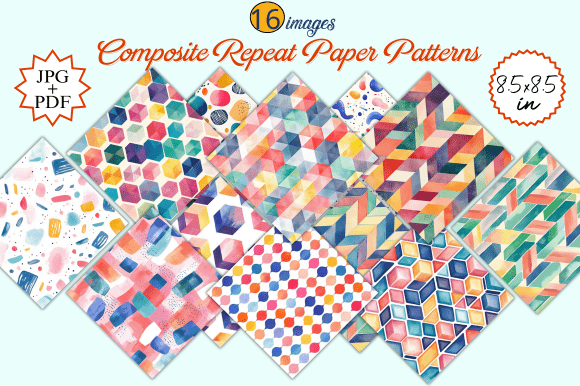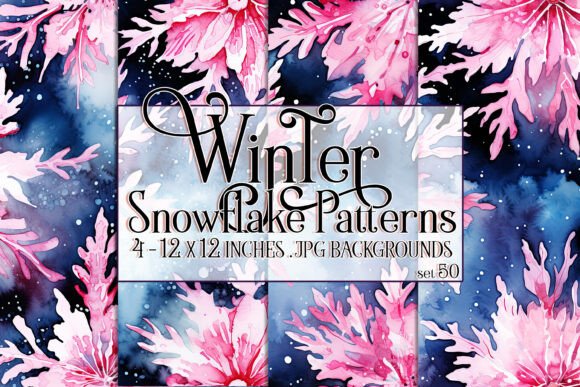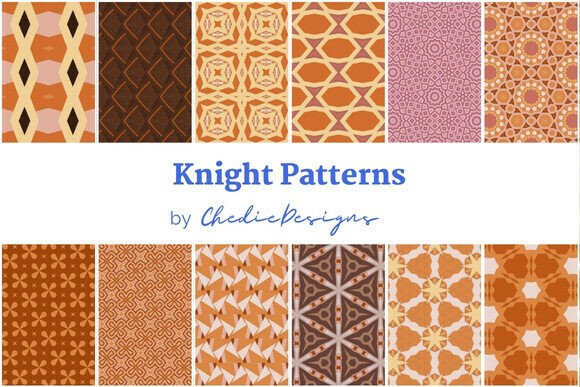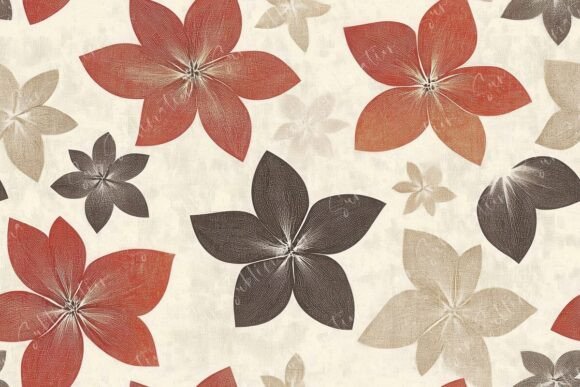
Composite Repeat Patterns: Elevating Your Digital Craft Projects
In the world of digital design and physical crafting, consistency is often the difference between a project that looks amateurish and one that feels professionally polished. This is where Composite Repeat Patterns become an indispensable asset. Whether you are a small business owner creating branded packaging, a hobbyist looking to add a personal touch to gifts, or a blogger designing custom stationery, the ability to seamlessly repeat a design across various surfaces can transform your output. These patterns offer more than just aesthetic appeal; they provide structural integrity to your designs, ensuring that your visual identity remains cohesive regardless of the medium.
The concept of a composite repeat pattern involves layering multiple design elements—such as shapes, textures, or motifs—in a way that creates a unified, repeating unit. When executed correctly, this technique allows for infinite scalability. You are not merely placing a single image on a page; you are creating a living, breathing background that guides the eye and establishes a mood. For creators who value efficiency without sacrificing quality, understanding how to leverage these patterns can significantly streamline the creative process.
Understanding the Value of High-Resolution Digital Assets
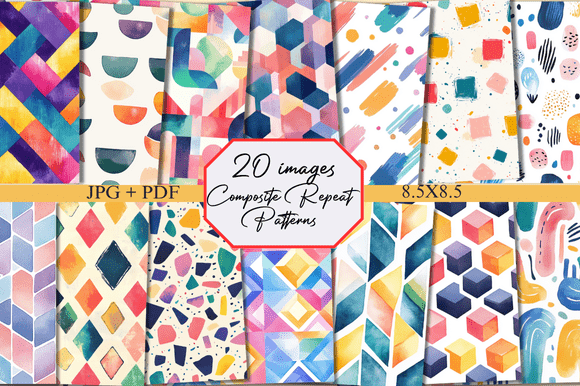
One of the most critical aspects of using any digital asset is its resolution. Low-quality images lead to pixelation, blurriness, and a general lack of professionalism when printed or scaled up. The collection described here includes 20 Images within 1 zip file, all provided in High-Resolution. This specification is crucial for anyone planning to move from screen to print.
When you work with high-resolution files, you retain the clarity needed for large-format projects. Imagine wrapping a gift with a pattern that looks crisp and sharp, rather than jagged and blurry. Or consider printing invitations for a wedding or corporate event; the texture and detail of the paper should complement the sharpness of the ink, not detract from it. By providing assets in both PDF and JPG formats, this collection ensures compatibility with a wide range of software and hardware. PDFs are ideal for vector-based editing and precise layout control, while JPGs offer universal accessibility for quick edits in photo manipulation tools.
Practical Applications Across Multiple Industries
The versatility of Composite Repeat Patterns extends far beyond simple decoration. Because the standard size is set at 8.5×8.5 inches, these files are optimized for common paper sizes and crafting dimensions, making them ready-to-use for a variety of practical applications. Let’s explore how different professionals and hobbyists can integrate these assets into their workflows.
Branding and Packaging for Small Businesses
For entrepreneurs, first impressions matter. If you sell handmade goods, artisanal foods, or boutique clothing, your packaging is a key part of your brand story. Using composite repeats allows you to create custom wrapping paper, tissue paper, or product labels that look bespoke. Instead of buying generic rolls, you can use these digital files to print exactly what aligns with your brand colors and style. This level of customization builds trust with customers and reinforces brand recognition every time they unbox a purchase.
Event Planning and Stationery Design
Wedding planners, party coordinators, and freelance stationery designers often face tight deadlines. Creating unique patterns from scratch takes time. By utilizing pre-designed composite repeats, you can focus on the layout and typography rather than spending hours drawing backgrounds. These patterns are perfect for:
- Greeting Cards: Add depth and texture to birthday, holiday, or thank-you cards.
- Invitations: Create elegant borders or full-page backgrounds for formal events.
- Stationaries: Enhance letterheads, envelopes, and business cards with subtle, professional textures.
Digital Content Creation
Beyond physical prints, these assets are valuable for digital creators. Bloggers and social media influencers can use these patterns as background images for headers, thumbnails, or story templates. The high resolution ensures that even when viewed on high-DPI mobile screens, the details remain clear. Furthermore, educators and teachers can incorporate these designs into classroom materials, worksheets, or certificates to make learning resources more engaging for students.
Maximizing Creativity with Versatile Formats
The inclusion of both PDF and JPG formats addresses different user needs. A graphic designer might prefer the PDF format because it preserves layers and transparency, allowing for easy integration into Adobe Illustrator or InDesign projects. On the other hand, a casual crafter using Canva or Microsoft Word might find the JPG format easier to drag and drop directly into their document.
Additionally, the 8.5×8.5 inch dimension is particularly strategic. It is slightly larger than the standard square card stock but smaller than a full sheet of A4 or Letter paper. This makes it ideal for creating modular designs. You can tile these squares to cover larger areas like scrapbook pages or wall art, or use them individually as focal points. This flexibility means you get maximum utility from a single download, reducing the need to search for multiple disparate assets.
Considerations for Printing and Color Accuracy
While digital assets offer incredible convenience, it is important to manage expectations regarding color reproduction. All items in this collection are DIGITAL products, meaning there is no physical inventory to ship. This also means that the final output depends heavily on your printer and monitor settings.
As noted in the product details, actual colors may vary slightly due to monitor settings. This is a standard limitation in digital design. RGB (Red, Green, Blue) colors used on screens translate differently to CMYK (Cyan, Magenta, Yellow, Key/Black) inks used in printing. To achieve the best results:
- Calibrate your monitor: Ensure your screen colors are accurate before designing.
- Test print: Always run a small test print on the specific paper type you plan to use. Paper texture and absorbency can alter how colors appear.
- Choose the right printer: Home inkjet printers may produce vibrant results for crafts, while professional offset printers will offer higher fidelity for commercial runs.
By understanding these limitations, you can avoid disappointment and instead view color variation as part of the unique character of your handmade or small-batch products. Many crafters actually prefer slight variations, as they add a human, authentic touch to items like scrapbook decorations, stickers, or acrylic tumbler wrapping.
Who Benefits Most from This Collection?
This resource is tailored for individuals who value both aesthetics and efficiency. If you are a freelancer looking to expand your service offerings by adding custom wrapping or invitation design, these patterns provide a quick win. If you are a hobbyist passionate about gift wrapping or wall art, they save you the frustration of searching through endless low-quality clip art sites.
Even educators can benefit by creating visually appealing teaching aids. The repetitive nature of the patterns helps maintain visual interest without overwhelming the viewer, which is essential for instructional materials. Similarly, marketers can use these designs for promotional flyers or brochure backgrounds, ensuring that marketing materials stand out in a crowded inbox or mailbox.
Final Thoughts on Integration
Incorporating Composite Repeat Patterns into your workflow is less about buying a product and more about acquiring a tool for creativity. The fact that you receive 20 Images within 1 zip file means you have a diverse palette to choose from, allowing you to match different themes, seasons, or brand identities. Whether you are creating a cohesive look for a holiday season launch or simply want to elevate your personal journaling, these high-resolution assets provide the foundation for professional-looking results.
Remember that the true value lies in how you apply them. Experiment with scaling, opacity, and layering. Combine these repeats with solid colors or typography to create balanced compositions. By taking the time to understand the capabilities of your digital tools, you empower yourself to produce work that is not only beautiful but also meaningful. Thank you for considering these resources for your creative journey, and we hope they inspire you to bring your next project to life with confidence and style.