Pixel Art Patterns of Skulls: Retro Digital Design Assets
In the landscape of modern digital design, nostalgia serves as a powerful visual language. The resurgence of 8-bit and 16-bit aesthetics is not merely a trend; it is a deliberate stylistic choice that evokes childhood memories, gaming culture, and the raw charm of early computer graphics. Among these retro motifs, the skull stands out as an iconic symbol of edgy sophistication, rebellion, and timeless cool. When combined with the blocky precision of pixel art, it creates a unique visual identity that resonates deeply with contemporary audiences. This article explores Pixel Art Patterns of Skulls, a comprehensive collection of nine distinct, seamless patterns designed to bring this retro aesthetic into your creative workflow.
The Visual Personality of Retro Skull Patterns
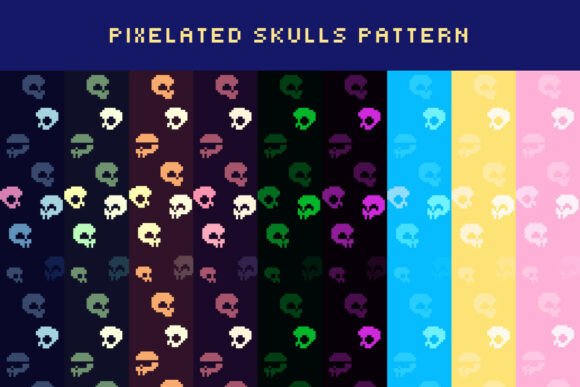
What makes Pixel Art Patterns of Skulls stand out in a sea of generic clipart is its attention to detail and cohesive color palettes. These are not random scatterings of icons; they are meticulously crafted seamless tiles that repeat flawlessly. The collection features nine specific color variations, each offering a different mood and application potential:
- Blue & Dark Green: These shades evoke a cyberpunk or tech-noir atmosphere, perfect for gaming interfaces or futuristic branding.
- Dark Purple & Green: A classic combination often associated with vintage horror or arcade cabinets, providing high contrast and immediate visual impact.
- Orange: An energetic, warm tone that suggests creativity and playfulness, ideal for youth-oriented marketing campaigns.
- Pastel Blue, Pink, and Yellow: These softer hues soften the traditionally "hard" imagery of skulls, making them suitable for lifestyle brands, fashion textiles, and boutique packaging.
The visual characteristics of these patterns rely on the inherent limitations of pixel art. By restricting the image to a grid of solid squares, the designer forces a simplification that highlights the essential shape of the skull. This results in a graphic style that is instantly recognizable, scalable, and highly legible even at small sizes. The personality here is playful yet sharp—a balance between the innocence of retro games and the edge of modern streetwear culture.
Where These Design Assets Fit Best
Understanding where to deploy Pixel Art Patterns of Skulls is just as important as understanding how to use them. Because these are vector-based assets provided in multiple formats (SVG, EPS, PDF, JPG, PNG), their versatility extends across both digital and print mediums.
Brand Identity and Logo Design
For startups or sub-brands aiming to project a youthful, tech-savvy, or rebellious image, these patterns can serve as background textures for logos or brand collateral. They work exceptionally well for energy drinks, gaming peripherals, or indie music labels. The seamless nature allows them to be tiled behind text without obscuring readability, adding depth to a flat logo mark.
Packaging Design and Editorial Layouts
In physical product design, texture is key. Using the high-resolution PNG or vector files for packaging inserts, stickers, or limited-edition box designs adds a tactile feel through visual means. In editorial design, such as magazine covers or blog headers, these patterns provide a dynamic backdrop that draws the eye without competing with the primary typography. They act as a creative font alternative—using image as type—to break up monotony in long-form content.
Social Media Graphics and Web Design
Social media feeds are crowded. A consistent pattern theme helps establish brand recognition. You can use the pastel variations for Instagram story backgrounds or the darker tones for YouTube thumbnails. For web design, these SVG files are particularly valuable because they scale infinitely without losing quality, ensuring crisp edges on retina displays while keeping file sizes manageable.
Impact on Readability and Visual Hierarchy
One common concern when using busy patterns like pixel art skulls is readability. However, when applied correctly, these assets enhance rather than hinder communication. The key lies in understanding visual hierarchy. If you overlay text on top of a dense pixel pattern, you must ensure sufficient contrast. Lighter pastel patterns allow for dark, bold sans serif fonts to pop, while dark green or purple patterns require white or bright orange text for clarity.
This interplay influences brand perception by signaling attention to detail. A poorly placed pattern looks amateurish; a well-integrated one signals professionalism and strategic thinking. It tells the audience that the brand understands design principles, even if the subject matter is playful. Furthermore, the repetitive nature of seamless patterns creates a sense of rhythm and consistency, which subconsciously reinforces brand stability and reliability.
Practical Guidance for Implementation
To get the most out of Pixel Art Patterns of Skulls, consider the following practical steps during your design process:
- Evaluate Project Fit: Before selecting a color, ask what emotion you want to convey. Is it aggressive (dark green/purple)? Is it friendly (pastel pink/yellow)? Match the palette to the message.
- Test Font Pairings: Pixel art pairs naturally with monospaced or geometric sans serif fonts that mimic the digital aesthetic. Avoid overly ornate script fonts unless you are intentionally creating a jarring contrast. Clean, modern typography usually provides the best balance against the chunky pixels.
- Leverage File Formats: Use the SVG or EPS files for any design work requiring scaling, such as large format prints or responsive web elements. Reserve the JPG and PNG files for quick mockups or social media posts where vector editing software isn't necessary.
- Check Commercial Licensing: Ensure your intended use complies with the license terms. While these are commercial fonts/assets, some restrictions may apply regarding resale as standalone digital goods. Always review the specific usage rights to protect your business.
By integrating Pixel Art Patterns of Skulls into your projects, you tap into a rich vein of cultural resonance. Whether you are designing a t-shirt line, a website header, or a podcast cover, these patterns offer a structured yet expressive way to communicate your brand's personality. They bridge the gap between old-school gaming nostalgia and modern design efficiency, providing a versatile toolkit for creators who want to stand out in a saturated market.